Campaign Report — Campaign Overview and Outcomes
Presented by: Margret Olore Date: July 15th, 2026
1. Campaign Overview
Campaign Background
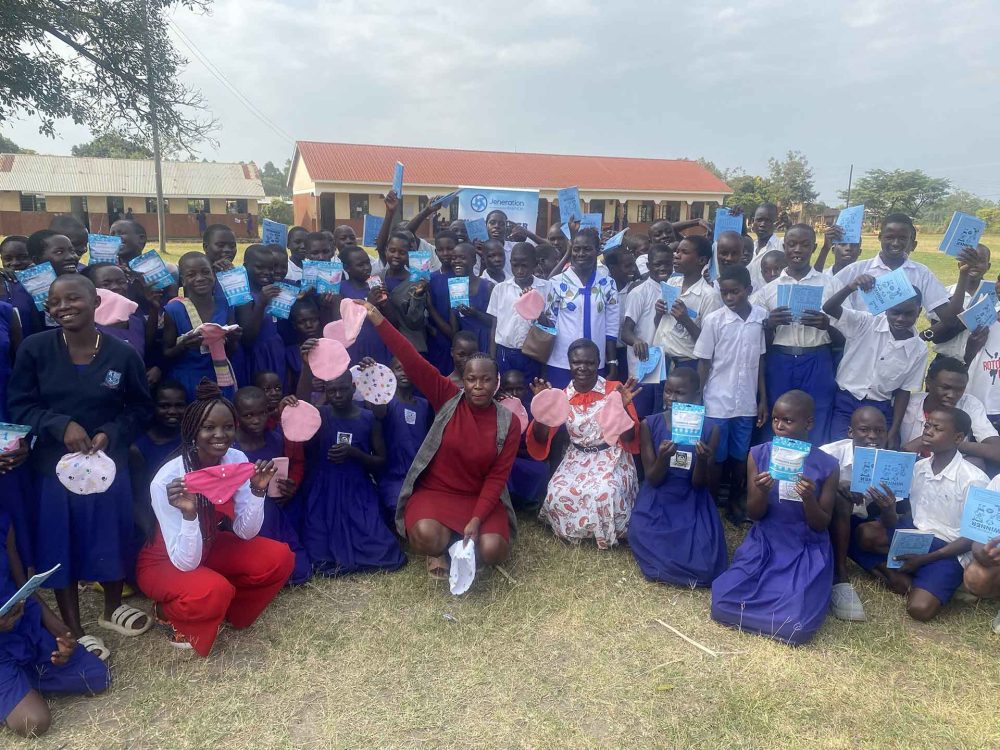
The Promoting Girl Child in Education Campaign was implemented by Jeneration Agenda in Tororo District as part of its commitment to empowering girls through education, health awareness, and sustainability initiatives.
The campaign focused on addressing barriers to girls’ education, particularly period poverty, limited access to scholastic materials, and lack of life skills.
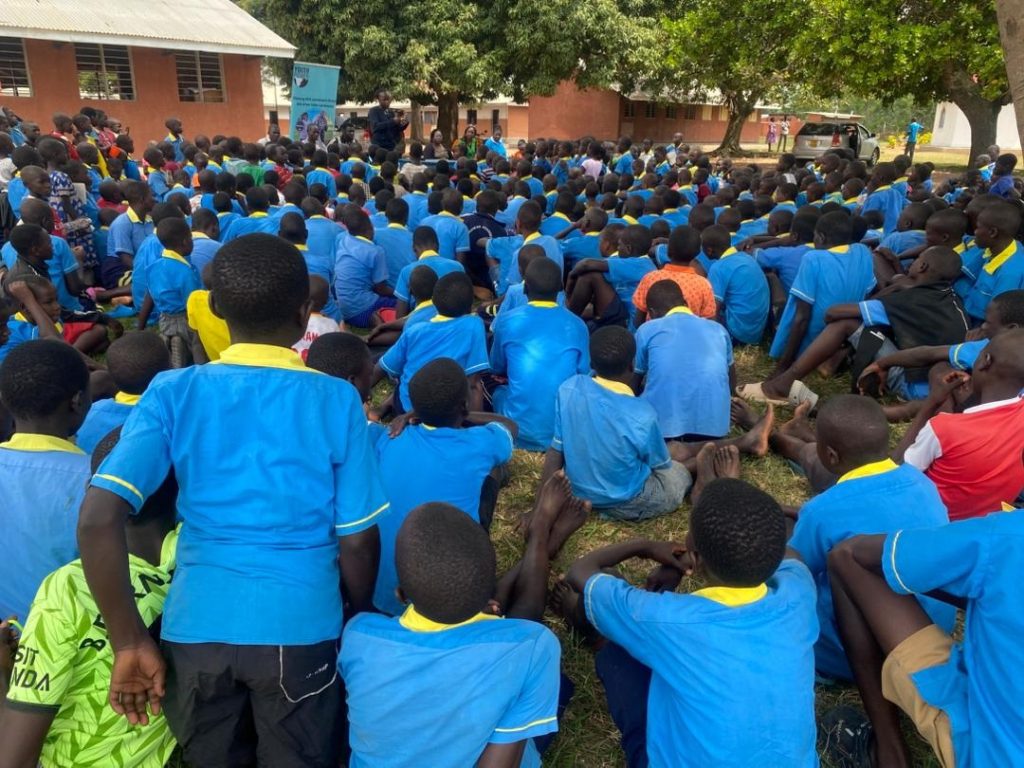
The campaign was conducted during the Tororo District School Week (6th–10th July 2026), reaching multiple schools through direct engagement with learners, teachers, and community stakeholders.
Campaign Purpose
The campaign aimed to:
- Educate, support, and empower students—especially around menstrual health.
- Provide essential resources.
- Build a stronger, more organized outreach program for future impact.
2. Campaign Objectives
Main Objectives
The campaign aimed to:
- Promote girl-child education retention and completion.
- Address period poverty through training in reusable sanitary pad making for 500 girls in Tororo.
- Equip learners with practical life skills.
Supporting Objectives
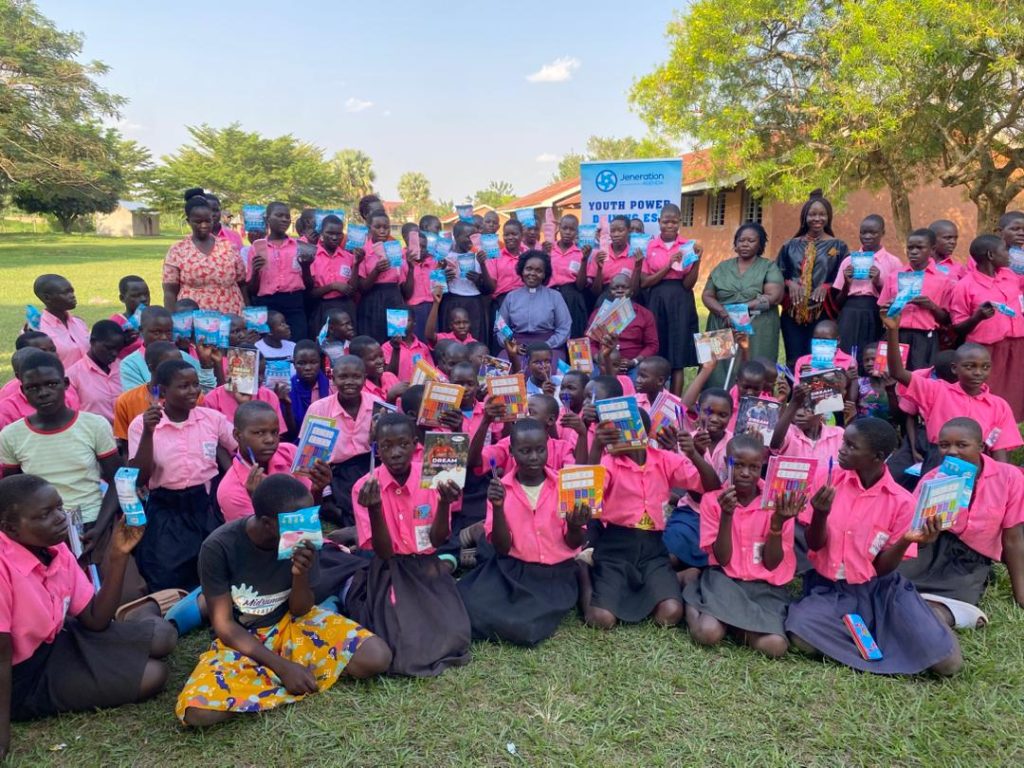
- Provide scholastic materials to support learning.
- Promote environmental sustainability through tree-planting initiatives.
3. Campaign Activities Implemented
3.1 Menstrual Health & Hygiene Training
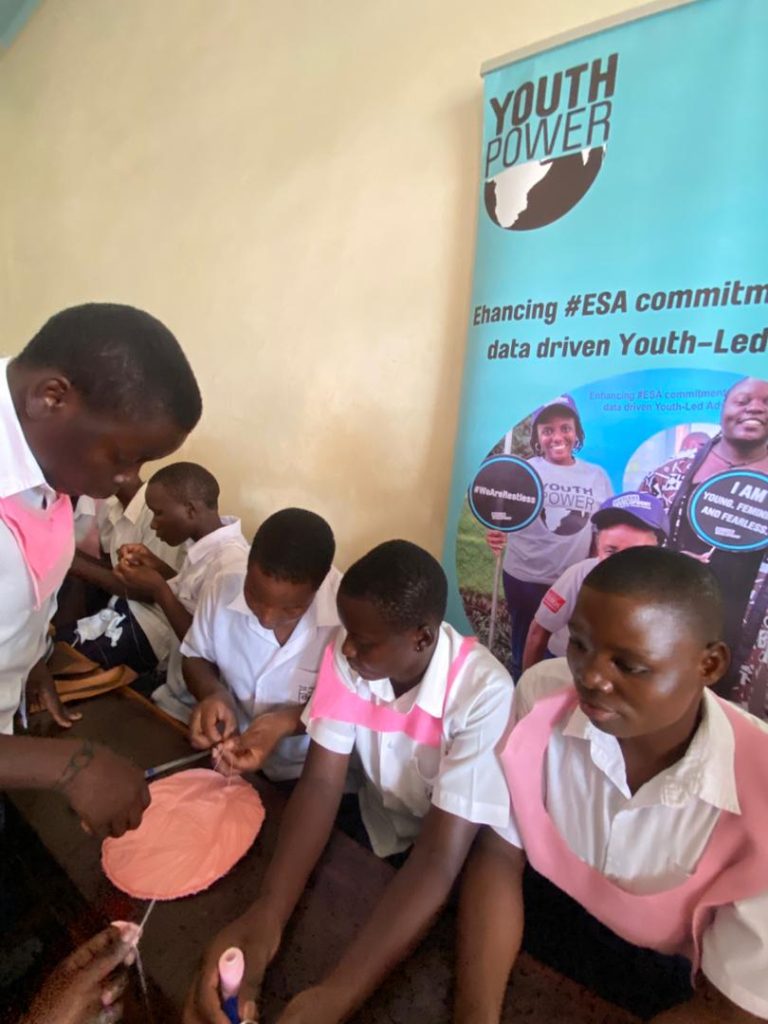
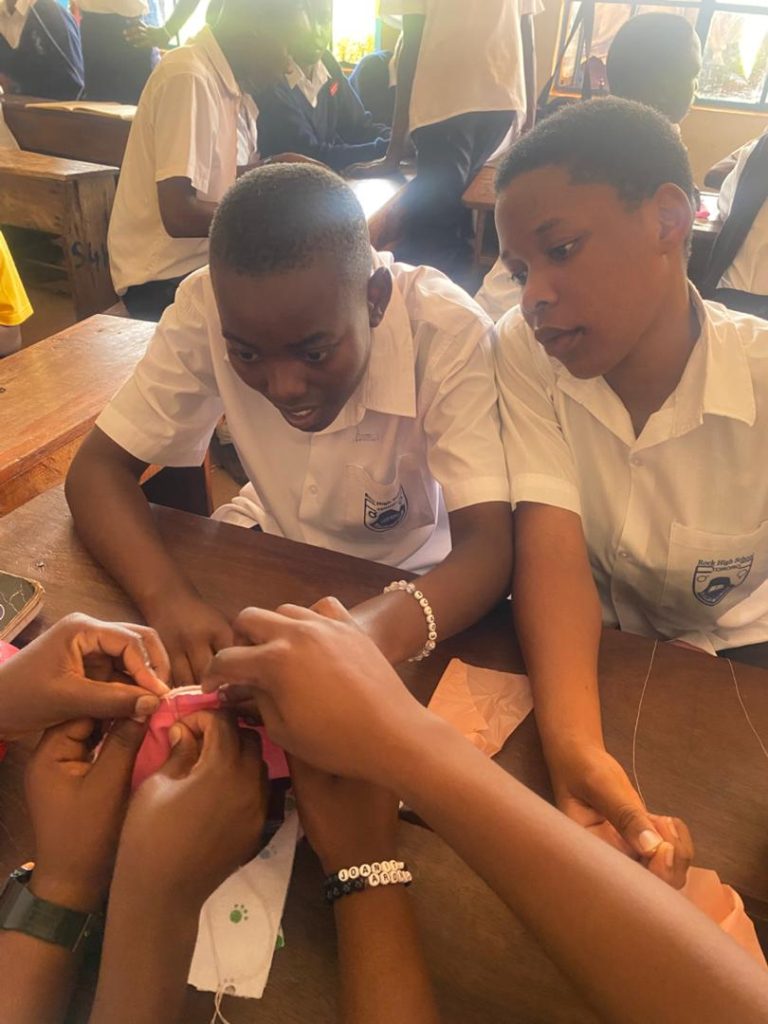
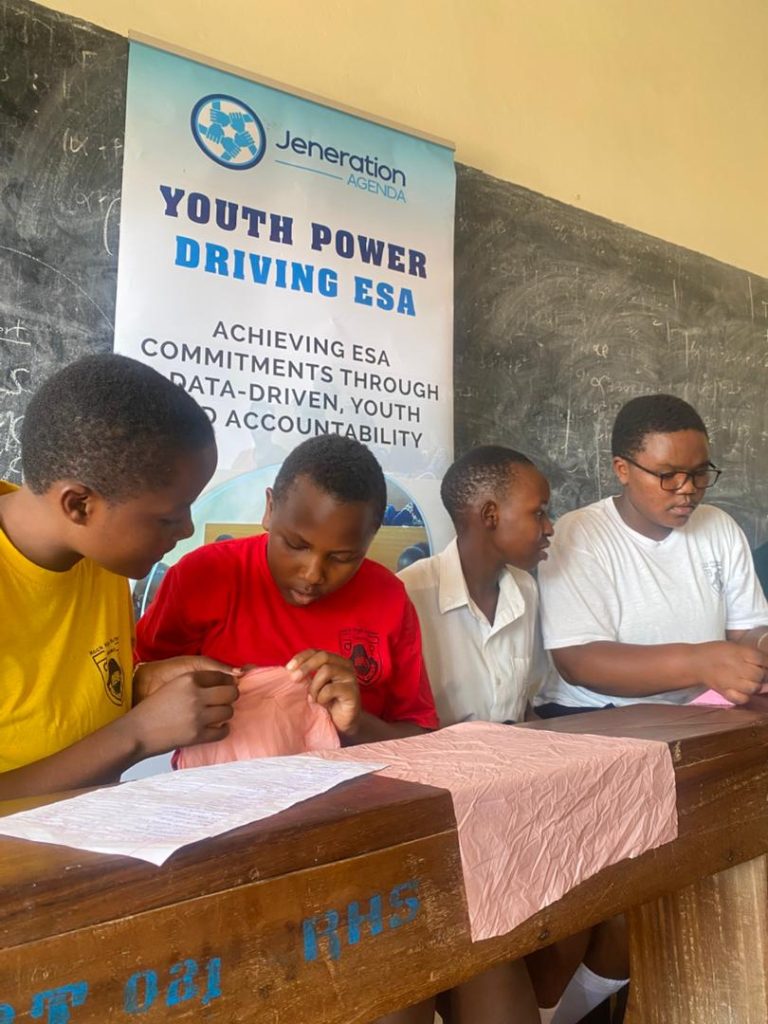
- Girls and boys were trained on menstrual hygiene management.
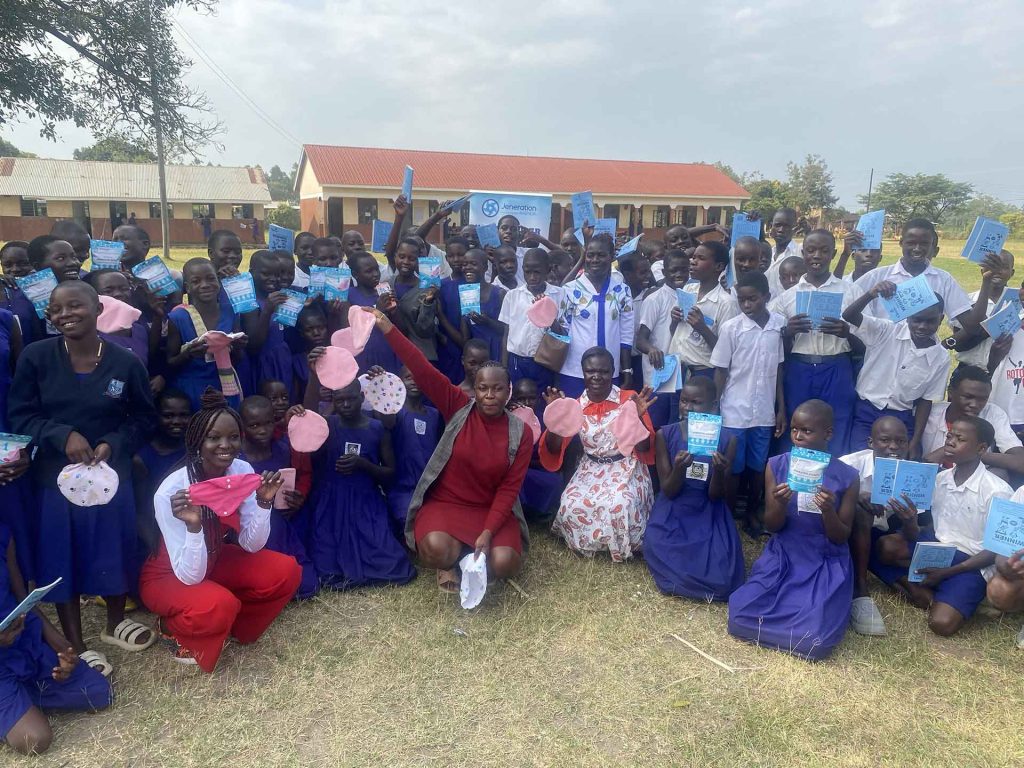
- Practical sessions were conducted on making reusable sanitary pads.
- Awareness was created to break myths and stigma around menstruation.
The initiative empowered girls to manage their periods with dignity and reduce absenteeism.
3.2 Distribution of Materials
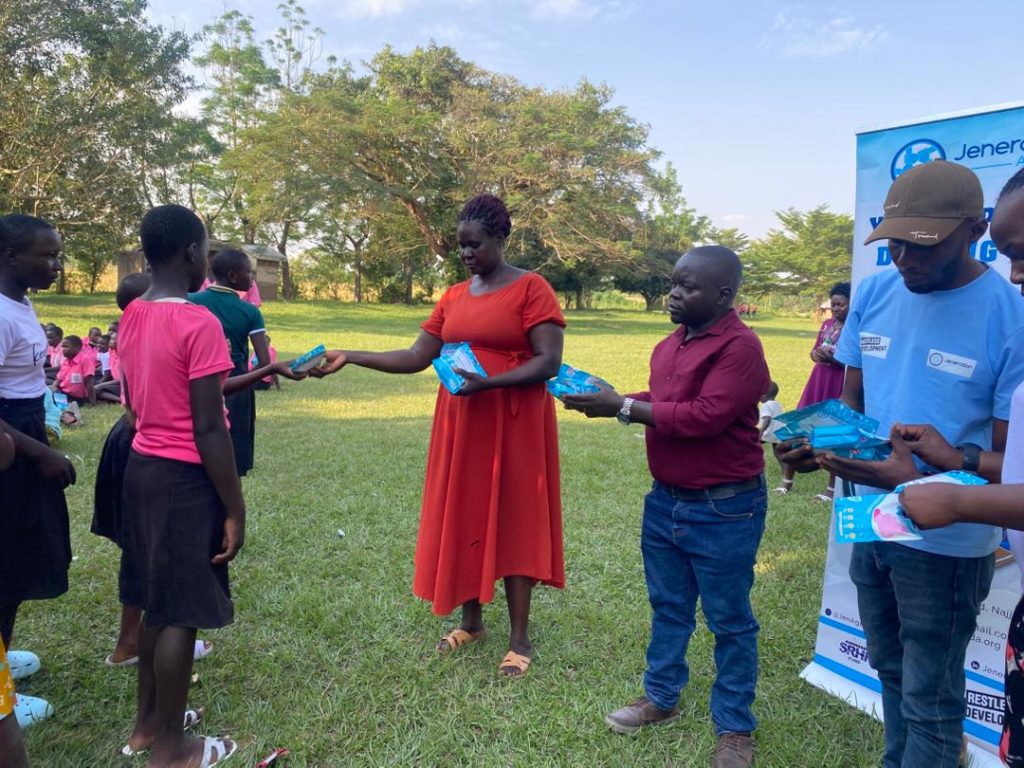
800 learners received:
- Reusable sanitary pads.
- Scholastic materials (books, pens, etc.).
- Basic support items.
These materials helped reduce school absenteeism and improve participation.
3.3 Life Skills & Health Education
- Sessions on sexual and reproductive health.
- Confidence-building discussions for girls.
- Encouraging open conversations about body changes and health.
3.4 Environmental Sustainability Activities
- Distribution of tree seedlings.
- Promotion of environmental responsibility among learners.
4. Key Findings and Challenges
4.1 Education Challenges Identified
- High dropout rates: Only 30–40 out of 100 girls complete primary education.
- Increased absenteeism during menstruation.
- Cases of child labour and domestic work migration.
- Limited parental support.
4.2 Impact of Period Poverty
- Many girls miss up to four days of school monthly due to a lack of sanitary products.
- Some girls drop out entirely due to embarrassment or lack of support.
5. Project Implementation Process
5.1 Operational Challenges
- Limited resources leading to unequal distribution of materials.
- Inadequate planning and coordination across schools.
- Time constraints affecting the depth of sessions.
- Variations in program delivery across schools.
5.2 Achievements and Impact
- Over 800 learners reached across five schools.
- Increased awareness of menstrual health and hygiene.
- Improved confidence among girls staying in school.
- Strengthened community engagement in girl-child education.
- Positive reception from district leaders and schools.
The campaign was described as a “double-edged solution”—addressing both education and economic empowerment through skills development.
6. Stakeholder Feedback
6.1 Positive Feedback
- Community appreciation for addressing real challenges.
- Recognition of the campaign as timely and impactful.
- Strong interest from partners and potential collaborators.
6.2 Areas for Improvement
- Better planning and structured programming.
- Improved resource allocation and uniform distribution.
- Expanded team size and coverage.
- Increased mobilisation and early preparation.
- Strengthened documentation and media visibility.
7. Project Challenges and Lessons Learned
7.1 Lessons Learned
- Community-based programs require flexibility and adaptability.
- Early planning improves effectiveness and coordination.
- Documentation and storytelling are critical for attracting support.
- Partnerships are essential for sustainability and scale.
7.2 Recommendations for Improvement
- Develop a clear activity schedule for each school.
- Standardise distribution packages.
- Allocate sufficient time for health education sessions.
- Expand the program to more schools per day.
7.3 Further Recommendations
- Strengthen partnerships with NGOs and donors.
- Scale the initiative to other districts.
- Increase funding for materials and logistics.
- Establish continuous follow-up programs in schools.
8. Campaign Conclusion
Summary of Project Performance
The Promoting Girl Child in Education Campaign successfully highlighted the urgent challenges facing girls in Tororo District while offering practical and sustainable solutions.
Despite operational challenges, the initiative demonstrated strong impact and community support.
THANK YOU
For Working with Us
Prepared by: Margret Olore Date: July 15th, 2026